In Clermont, the first real heat wave doesn’t “test” your AC—it exposes every small issue you’ve been ignoring since winter. I’ve learned (often the hard way) that the fastest way to prevent a mid-summer breakdown isn’t a complicated tune-up—it’s a 15-minute pre-summer sweep that catches the problems most homeowners don’t notice until the house won’t cool.
This checklist is built around what consistently makes the biggest difference in real homes: airflow, filtration, drain safety, and early warning sounds/smells. You’ll get a quick, no-special-tools routine you can knock out today, plus the exact signs that mean you should stop DIY-ing and schedule service—so you’re not guessing when Clermont’s temperatures spike and HVAC companies are booked out.
TL;DR Quick Answer
Clermont’s heat + humidity reward preventive maintenance—not “wait and see.”
Do this now (15 minutes):
Replace/check your air filter (correct airflow direction).
Clear debris and give the outdoor unit 2+ feet of space.
Confirm the condensate drain isn’t backing up.
Run a quick cooling test: steady cold air + normal cycling.
Schedule professional maintenance if you notice:
Weak airflow, warm air, or short-cycling
Ice on lines/coil, buzzing/clicking, or breakers tripping
Best practice in Clermont: Don’t chase breakdowns in June–August. Lock in a simple routine before the first heat wave, then keep filters and airflow consistent all season.
Top Takeaways
Preventive > reactive in Clermont. Heat + humidity expose small issues fast.
Airflow is the easiest DIY win. Filter, vents, and a clear outdoor unit matter most.
Drain lines fail often in humid weather. Check for backups before summer.
Know the red flags. Warm air, weak airflow, icing, water, odd noises, short cycling, breaker trips = call a pro.
Vet smart. Verify licensing and use EPA/ENERGY STAR + rebate resources before spending.
The 15-Minute DIY HVAC Maintenance Checklist (Clermont Homeowners)
Before Clermont’s summer humidity ramps up, this quick routine helps your AC run smoother, cool faster, and avoid the most common “first heat wave” failures. Set a timer for 15 minutes and work top-to-bottom.
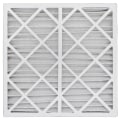
Minute 1–3: Replace or inspect your air filter
Swap in a new filter (or confirm it’s clean and seated correctly).
Make sure the airflow arrow points toward the blower/furnace.
If your filter looks gray, matted, or dusty, it’s restricting airflow—one of the fastest paths to weak cooling and icing.
Why it matters: Airflow is your system’s lifeblood. A clogged filter can make your AC work harder, cool less, and sometimes freeze the evaporator coil.
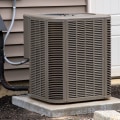
Minute 4–6: Clear the outdoor condenser (the unit outside)
Pull leaves, grass clippings, and debris away from the unit.
Give it at least 2 feet of breathing room on all sides.
If the fins are visibly caked with dirt, a gentle rinse from the outside in can help (avoid pressure washers).
Why it matters: The condenser has to dump heat outdoors. When it’s smothered, your system runs longer and struggles more in peak Clermont heat.
Minute 7–9: Check and flush the condensate drain line
Locate the PVC drain line near your indoor air handler.
If you can access the drain opening safely, a small amount of distilled vinegar can discourage buildup (skip this if your system’s manual warns against it).
Why it matters: Drain clogs are a top warm-weather issue in humid climates. Catching it early can prevent water damage and emergency shutoffs.
Minute 10–12: Do a quick thermostat and performance check
Set the thermostat to Cool and drop it a few degrees.
Confirm you hear the system start and feel steady cool air within a few minutes.
If your thermostat uses batteries, replace them now—cheap insurance against sudden failures.
Why it matters: This confirms the system is responding correctly before you actually need it all day.
Minute 13–15: Walk the house for airflow + warning signs
Make sure vents aren’t blocked by rugs, furniture, or curtains.
Listen for new rattling, buzzing, or grinding sounds.
Notice any musty smells (possible moisture/mold issues) or burning/electrical odors (turn the system off and get help).
Why it matters: Small airflow restrictions and early mechanical noises are the clues that separate “easy fix” from “mid-July breakdown.”
Quick “Call a Pro” Red Flags (Don’t Ignore These)
Schedule HVAC service if you notice:
Warm air blowing while the thermostat is set to cool
Weak airflow from multiple vents
Water pooling around the indoor unit or repeated drain clogs
Ice on refrigerant lines or the indoor coil
Loud buzzing/clicking, frequent cycling, or breakers tripping
These issues can worsen quickly during Clermont’s hottest weeks—especially when repair schedules fill up.
Essential Resources
Florida DBPR License Lookup: Verify Licensing Before You Schedule Service
Use the State of Florida’s official portal to confirm an HVAC contractor’s license status and standing—one of the quickest ways to reduce risk before booking.
https://www.myfloridalicense.com/wl11.asp
ENERGY STAR HVAC Guidance: Know What Quality Maintenance Should Cover
ENERGY STAR resources help you understand what “good” looks like (airflow, equipment performance, and efficiency considerations) so you can ask better questions and recognize thorough work.
https://www.energystar.gov/partner-resources/residential_new/working/hvac
EPA Indoor Air Quality: Learn How HVAC Maintenance Impacts Your Home’s Air
The EPA’s IAQ guidance connects filtration, humidity control, ventilation, and maintenance—useful if allergies, odors, or mustiness are part of why you’re researching service.
https://www.epa.gov/indoor-air-quality-iaq
Florida Building Code (Energy/Mechanical): Understand the Standards Behind the System
If you’re comparing repairs vs. upgrades (or dealing with airflow/duct issues), Florida’s building code resources provide context for compliance and best practices.
https://floridabuilding.org/c/default.aspx
FPL Programs: Check Efficiency Incentives If Florida Power & Light Serves You
Confirm current programs that may reduce the cost of efficiency improvements or qualifying upgrades—especially helpful if your system is older or running long cycles.
https://www.fpl.com/save/programs.html
Duke Energy Florida Rebates: Validate Upgrade Savings If Duke Is Your Utility
A practical resource for evaluating whether maintenance is enough—or if an upgrade could deliver measurable savings (and possibly rebates).
https://www.duke-energy.com/Home/Products/Home-Energy-Improvement/HVAC-Replacement?jur=FL01
FDACS Florida Energy Rebates: Review State-Level Options That May Complement Utility Programs
Florida’s official rebates hub is a solid starting point to understand statewide initiatives and eligibility so you don’t miss potential savings.
https://www.fdacs.gov/Consumer-Resources/Florida-Energy-Rebates
Supporting Statistics
HVAC is the biggest energy driver in most homes
52% of a typical U.S. home’s annual energy use goes to space heating + air conditioning.
This is why quick maintenance (filters, airflow checks, coil cleanliness) can have outsized impact.
Source (EIA, .gov): https://www.eia.gov/energyexplained/use-of-energy/homes.php
Indoor air matters because you live indoors
Americans spend ~90% of their time inside.
In my experience, that’s why comfort, humidity, and “stale air” complaints feel constant during summer.
Source (EPA, .gov): https://www.epa.gov/report-environment/indoor-air-quality
Indoor pollutants can build up faster than people expect
EPA reports some indoor pollutant levels are often 2–5× higher than typical outdoor levels.
That’s a strong case for staying ahead of filtration, moisture control, and ventilation basics.
Source (EPA, .gov): https://www.epa.gov/report-environment/indoor-air-quality
Filters: the easiest high-impact maintenance habit
ENERGY STAR: check monthly in heavy-use seasons.
At minimum: replace every 3 months.
I see fewer airflow issues when homeowners follow a schedule.
Source (ENERGY STAR, .gov): https://www.energystar.gov/saveathome/heating-cooling
Final Thought & Opinion
In Clermont, the most expensive HVAC plan is “we’ll deal with it when it’s hot.” A quick pre-summer checklist plus smart contractor vetting helps you avoid breakdowns and make confident decisions.
What the page helps you do (fast):
Prevent common warm-weather failures with a 15-minute DIY sweep
Improve comfort by focusing on airflow + drainage + outdoor unit clearance
Vet service providers using license verification and quality benchmarks
Check utility/state incentive resources before you spend
My opinion (from what I’ve seen in real homes):
The best maintenance isn’t complicated—it’s consistent.
HVAC systems rarely fail “out of nowhere.” They usually show early clues:
Longer runtimes
New noises
Musty smells
Weak airflow
Drain issues
Homeowners who do a short checklist before summer avoid the panic appointment cycle and know when it’s time to call a pro for deeper checks.

FAQ
Q: How often should Clermont homeowners schedule HVAC maintenance?
A: 2× per year. Prioritize spring before peak heat/humidity. That’s when issues show up first.Q: What’s the #1 DIY task before summer?
A: Check/replace the air filter.Confirm correct airflow direction.
Restricted airflow = weak cooling + longer runtimes.
Q: When should I stop DIY and call a pro?
A: Call if you notice any of these:Warm air or weak airflow
Short-cycling
Ice on lines/coil
Electrical smell, buzzing/clicking, or breaker trips
Q: Does maintenance help lower energy bills in Clermont?
A: Often, yes. Maintenance can reduce runtime by improving:Airflow
Heat transfer (coils)
Drainage + humidity control
Q: What should a thorough maintenance visit include?
A: Ask for measurable checks:Airflow/static pressure
Drain line condition
Coil cleanliness
Electrical inspection
Learn more about HVAC Care from one of our HVAC solutions branches…
Filterbuy HVAC Solutions - Miami FL - Air Conditioning Service
1300 S Miami Ave Apt 4806 Miami FL 33130
(305) 306-5027
Filterbuy HVAC Solutions - Miami FL - Air Conditioning Service